For those who have moved to a different part of Britain, there is a moment when you realise something is subtly and stubbornly different. You can’t quite pin it down. Not the accent, and not the weather, though people will blame that. It’s to do with the bread, the beer, the colour of the garden soil, the way the vegetables actually taste. Standing in a market in Gloucestershire or a pub in Kent, something is just slightly not the same as back home, and you cannot explain it in a way that doesn’t sound a bit ridiculous at a dinner party.
The explanation, it turns out, is about 300 million years old.
The Country That Forgot It Was Standing on an Argument
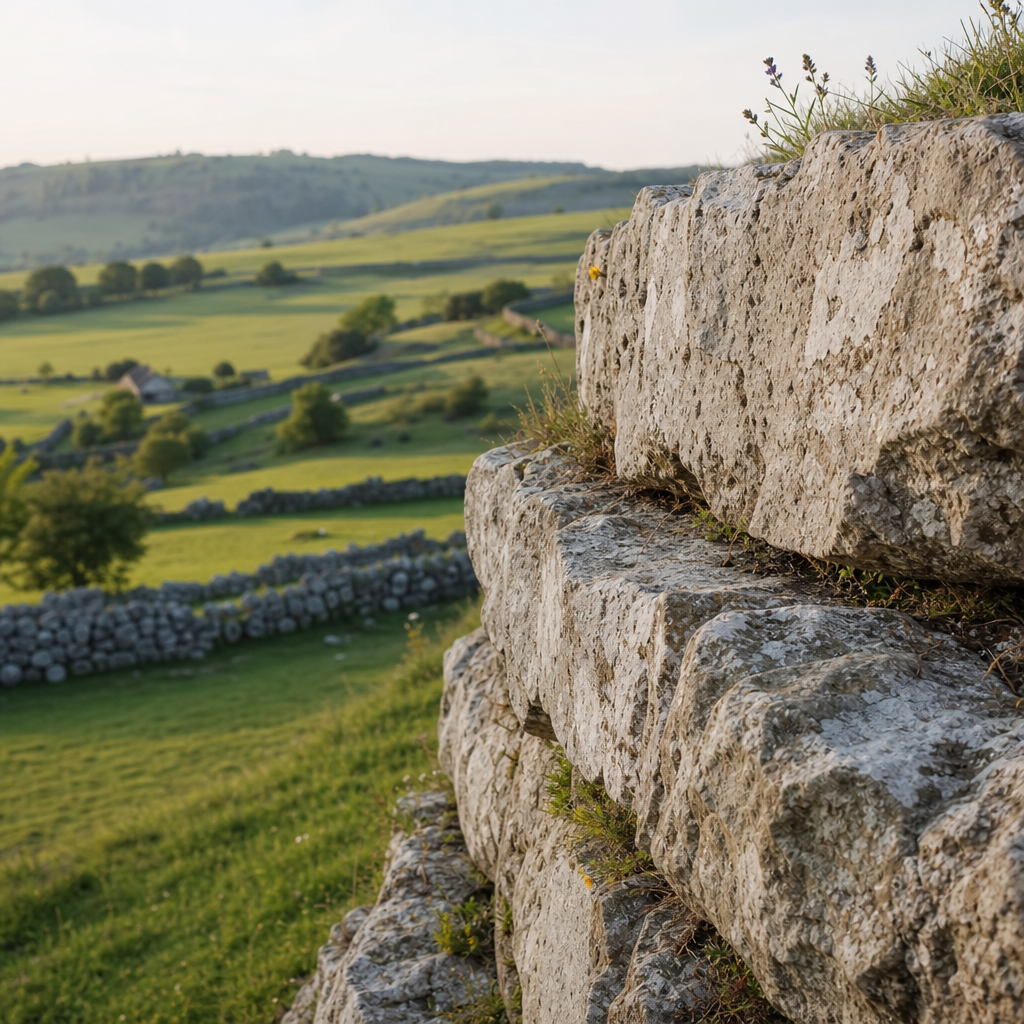
Britain is geologically absurd for its size. You can drive from top to bottom in a long afternoon, and here is an almost comical variety of ancient rock: Jurassic limestone across the Cotswolds, volcanic basalt across much of Scotland, red Devonian sandstone pushing up through Devon and Herefordshire, and a long chalk spine running through the South Downs and out into East Anglia. Each of these does something different to the water that filters through it. And the water, slowly and indirectly, does something different to almost everything that lives above it.
The chalk aquifers of the South are only slightly alkaline, carrying calcium as water rises through them. The clay belts of the Midlands hold minerals differently – they drain more slowly and produce a heavier, richer soil. The peat bogs and granite of the Scottish Highlands filter the water through a completely different set of minerals. None of this is secret information. It has been known by geologists for centuries. What is interesting is that it quietly explains a very large chunk of what people mean by "British lifestyle" and the intensely regional bits, the ones that feel almost like identity.
Why the Cheese Belongs to That Particular County
Start with Stilton. It’s made from the milk of East Midlands cows that graze on pasture of slow-draining clay. The grass they eat contains the minerals from the soil beneath it. So if you change the rock then the soil’s drainage and its chemistry will change too. And so you change what the grass contains, and therefore what the milk tastes like. Cheddar Gorge is limestone country – well-drained, calcium-rich. Double Gloucester and Red Leicester come from red sandstone soils in Herefordshire and Leicestershire. These are not romantic origin stories invented by a marketing department. The geology genuinely set the conditions that the cheese-making tradition then built on top of.
Brewing beer does the same. Victorian England’s capital for brewing was Burton-on-Trent. The town’s water was so extraordinarily hard, heavy with gypsum and sulphates from the local geology, that it was brilliant for bitter ales. The rest of the country started adding mineral salts to their local water. This is a process that the industry still calls “Burtonisation”. For decades the rest of England pretended to be Burton.
For something on the same idea of things that persist because the conditions that created them haven't changed, The Faces That Refused to Fade touches on that kind of stubborn, geological-feeling longevity in a very different context.
The Garden at the End of the Road (And Why Yours Looks Like That)
Is there a plant you can grow effortlessly in one county but which refuses to thrive in another? Usually this is down to the soil pH. Rhododendrons and azaleas are acid-lovers. They thrive in Cornwall and in Scotland on soils of granite and peat which have low pH. On chalk, they are miserable. By contrast, Lavender is a plant of the Mediterranean and does best on the thin, alkaline, free-draining soils of the chalk South. You can try to replicate the cottage garden look of the Cotswolds in the clay soils of the Midlands but it is difficult. The combination of thin, well-drained soils over limestone walls with hard water is one which is hard to replicate. Not because people don't try, but because the soil doesn't cooperate.
Which is a slightly humbling thought. You pick your plants, you choose your lifestyle, you decide what your kitchen and your garden and your dinner table look like. But somewhere underneath all of that, a very old piece of rock is making a number of the actual decisions. The lifestyle guide was always there. It just wasn't in a format most people thought to read.