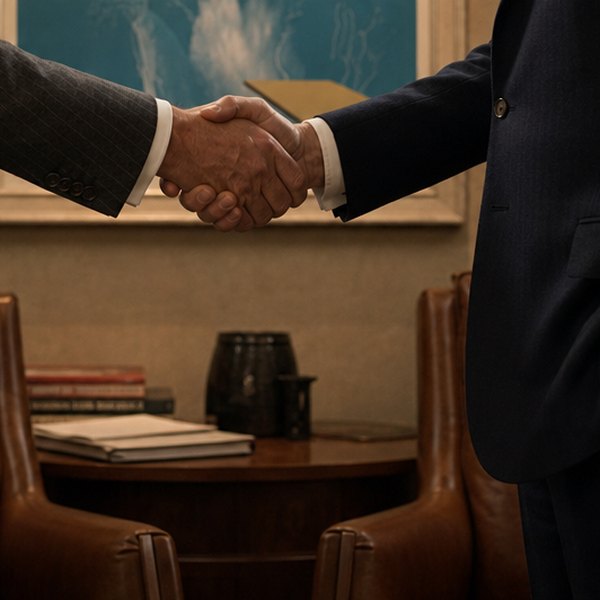
Picture a Bond Street gallery in 1974. Thick carpet, a Hockney on the wall, two men in suits shaking hands over a price neither of them will write down. No paperwork required to prove the painting is what the dealer says it is. No legal obligation to say where it came from or who owned it before. Certainly no obligation to pass a single penny back to Hockney himself when it sells for three times what he got for it. The art world has always sold itself as something rarefied and cultural – a world above grubby commerce. But for much of the twentieth century, it was less a cultural institution and more a private club with extremely good lighting.
When a Handshake Was Enough
In 1970s Britain, the auction houses and dealers operated with a freedom that would make a financial regulator weep into their tea. There was no meaningful legal framework around provenance – the ownership history of a work – and no requirement to prove a piece was genuine before putting it under the hammer. Prices were set through relationships built over decades, in rooms that newcomers simply didn't get into. If a respected dealer said a painting was authentic, that was more or less that. The romance of the art world did a lot of heavy lifting in place of actual rules. The connoisseur's eye, the quiet authority – it worked because nobody was asking for anything else.
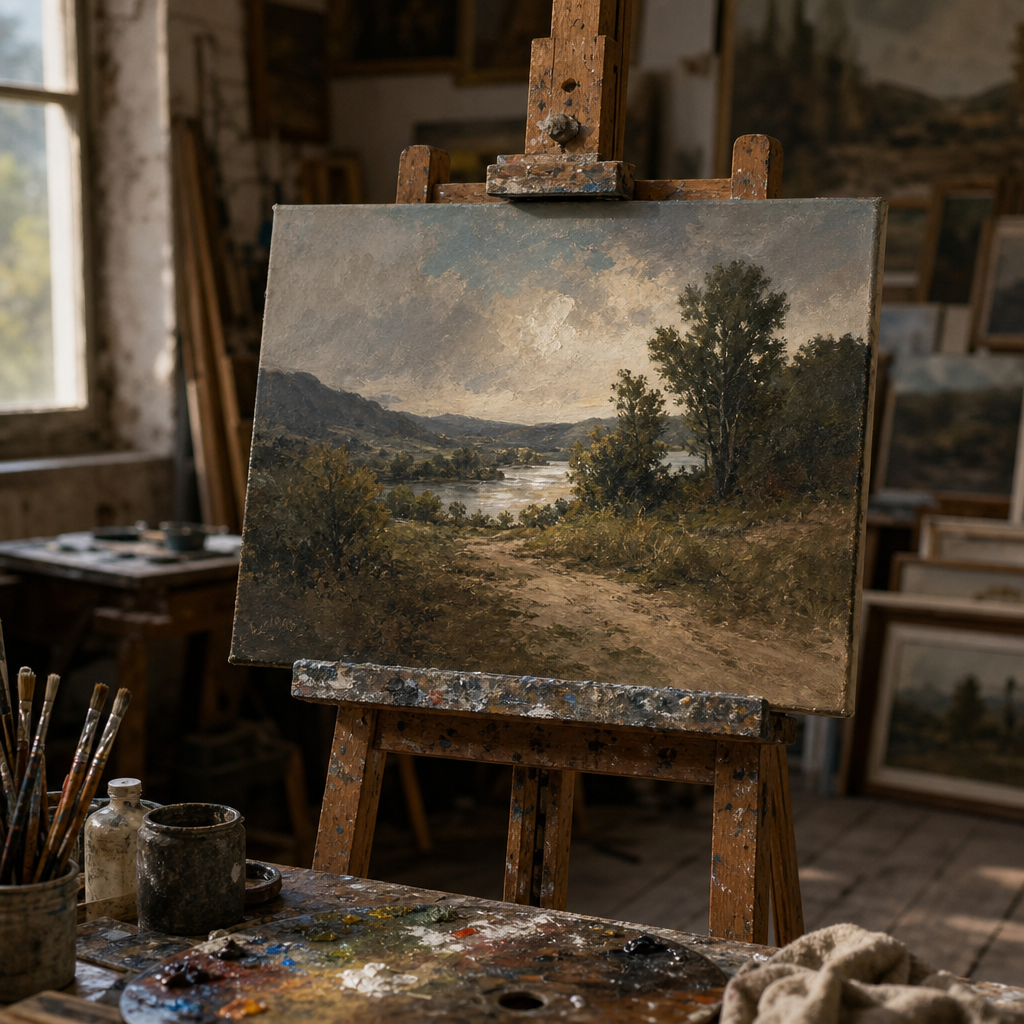
For artists, though, it was bleaker still. Once you'd sold a work, that was it. If it changed hands ten times over the next thirty years, climbing in value each time, you saw none of it. The painting you'd made in your twenties for rent money could make a dealer's fortune in your sixties, and you'd have no legal claim on any of it.
When did artist resale royalties come into UK law?
Resale rights – formally called the Artist's Resale Right – arrived in Britain in 2006, thanks to an EU directive. It means that when a work sells for over €1,000 through a commercial reseller, the artist (or their estate) receives a small royalty, between 0.25% and 4% depending on the sale price. Not transformative money in most cases, but it's the first time the law acknowledged that artists have an ongoing stake in their own work's value.
Provenance disclosure and due diligence rules have tightened too, particularly around anti-money-laundering legislation introduced in 2020, which finally required the art market to do what banks have done for years.
But the structural heart of it – the top end still running on relationships, reputation, and rooms most people never enter – hasn't shifted much. It's a bit like a hybrid food scene: genuinely interesting things do eventually break into establishments that spent years resisting them, but the establishment tends to absorb them on its own terms and timeline.
The Gap That's Still There
What's changed since the handshake era is transparency at the edges. What hasn't changed is the centre. The major private sales still happen between people who know each other, and prices at the top end are still not always made public. That cultural authority dealers and auction houses carry – the sense that they simply *know* what something is worth – still does a lot of work that rules and paperwork can't quite reach.
Which means the romantic idea of the art world and its actual commercial mechanics are still some distance apart. Just a bit less smoke in the room now.
Questions this raises
- How much does an artist get when work is resold?
- Why did the art trade resist provenance paperwork?
- Are money laundering checks now required to buy art?